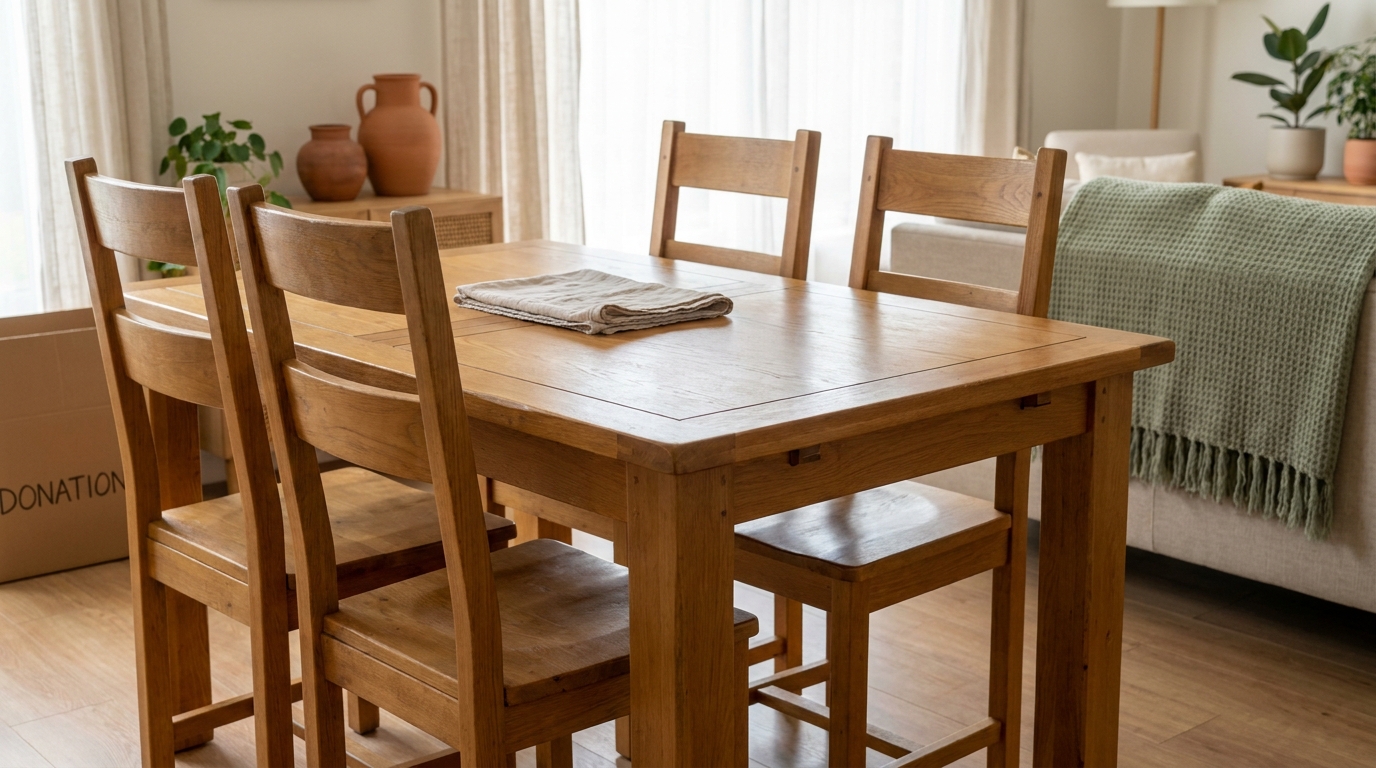
Donating gently used furniture is one of the most impactful ways to assist local Kansas City families who are transitioning out of temporary shelters into permanent housing. However, preparing your items beforehand ensures that the pickup process runs smoothly and that recipient families receive items in clean, dignified, and ready-to-use condition. Whether you are giving away a solid dining set, a bedroom dresser, or a comfortable living room sofa, taking a few preparatory steps makes a monumental difference for volunteer delivery teams and receiving households alike.
Step 1: Thoroughly Inspect Item Quality and Structural Soundness
Before scheduling a pickup window, take a moment to perform a complete inspection of each furniture piece. Non-profit furniture banks focus on collecting quality household items that provide immediate comfort and long-term utility. Check dining table legs to ensure they are firmly attached and un-wobbly, and test dresser drawers to verify that they glide smoothly without sticking. If you plan to donate furniture items such as mattresses, box springs, or upholstered couches, confirm that there are no visible fabric tears, deep permanent stains, or structural sag. Providing clean, sturdy items directly upholds the dignity of families moving into empty apartments.
Step 2: Clean and Sanitize Upholstery and Solid Wood Surfaces
Cleanliness is essential when transferring furniture from one home to another. For solid wood pieces like dining tables, chest dressers, nightstands, and bed frames, wipe down all wood surfaces using a microfiber cloth and a mild wood cleaner to remove dust, fingerprints, and smudges. For upholstered items, vacuum cushion crevices thoroughly to eliminate lint, pet dander, and hidden crumbs. Applying a light, natural fabric refresher leaves upholstered seating smelling clean and welcoming. Taking time to care for wood furniture surfaces demonstrates genuine care for the household receiving your items.
Step 3: Measure Doorways, Stairwells, and Clearance Paths
One of the most frequent logistical challenges encountered during donation pickups is navigating narrow hallways, tight staircases, and doorway frames. Before the volunteer delivery crew arrives at your residence, measure the outer dimensions of your furniture as well as the clearance width of your home exit path. Move decorative rugs, wall art, and entryway tables that could trip up movers carrying heavy loads. If a large dining table features removable legs or extension leaves, disassembling those components beforehand saves valuable time during loading.
Step 4: Stage Furniture Near Ground-Floor Entrances
Whenever possible, stage lightweight donation items closer to your ground-floor entrance, front porch, or garage area prior to the scheduled pickup time. This minimizes disruption to your household routine and speeds up the loading process for volunteers. Keep small assembly hardware, such as table screws, shelf pegs, or bed frame bolts, sealed securely inside a labeled plastic bag and taped directly to the corresponding furniture piece.
Step 5: Final Logistics Review and Pickup Day Expectations
On donation day, ensure your driveway or curb space is clear to accommodate a delivery truck. Secure family pets in a separate quiet room to maintain a safe environment for volunteer movers. Your small investment of time in preparing items ensures that essential furniture reaches local families efficiently, transforming bare rooms into warm, secure homes across Kansas City.
